Trees and plants

Trees and plants

Trees and plants play a crucial role in the environment and human life. However, like any natural resource, trees and plants are essential to human life and the wellbeing of the environment.

What are the Plants?

Plants produce oxygen and glucose through photosynthesis, which is important for existence on Earth. Some plants can stay alive in extreme temperatures, while others can thrive in low-light environment.

What are the Trees?

Trees are a specific type of plant distinguished by a particular main trunk and they over and over again have a separate branches and leaves.

What are the differences between plants and trees?

Differences between plants and trees

 
Feature Trees Plants

Size

  • Larger, tall with a trunk and branches.
  • Plants are appears at small and varies from tiny plants to tall trees.

Structure

  • Woody, with a trunk and bark.

  • Can be woody (trees) or plants (soft, nonwoody).

Height

  • Typically grows much taller.

  • Can range from medium height.

Roots

  • Extensive, deep root systems for stability.

  • Can have shallow or deep roots depending on the plant type.

Branches

  • Distinct branches that grow from the trunk.

  • Can have stems or no branches (e.g., grasses).

Examples

  • Mango, neem.

  • Flowers, grass.

What are the 10 types of mostly known trees and plants names?

10 types of trees and plants:

Neem

Mango

Coconut

Amla

Bilva/Bael

Banana

Tulsi

Grass

Curry Leaves

Coriander


What are the most common names of vegetables, fruits, pulses and flowers?

Vegetables, fruits and pulses, flowers are essential components of nature's gift, each offering unique benefits. Fruits and vegetables, pulses are essential for taking food. In tradition and other occasions flowers and leaves are a very important role in Puja (worship) ceremonies.

Here are the list of Vegetables, fruits, Pulses and flowers :

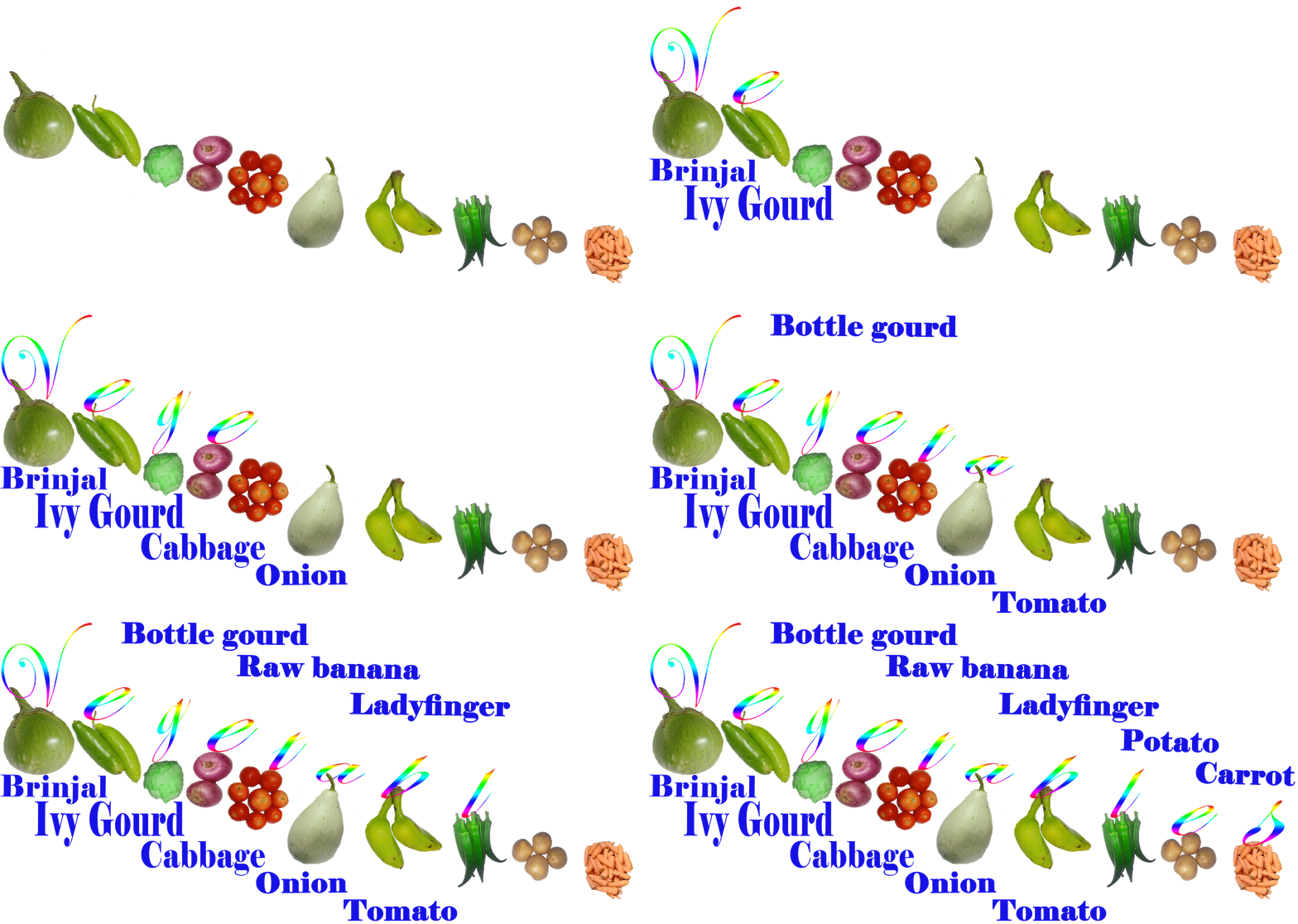
10 types of Vegetables:

Brinjal/వంకాయ

Ivy Gourd/దొండకాయ

Cabbage/క్యాబేజీ

Onion/ఉల్లిపాయ

Tomato/టమోటా

Bottle gourd/సొరకాయ/అనపకాయ

Raw banana/అరటికాయ

Ladyfinger/బెండకాయ

Potato/బంగాళదుంప

Carrot/క్యారెట్
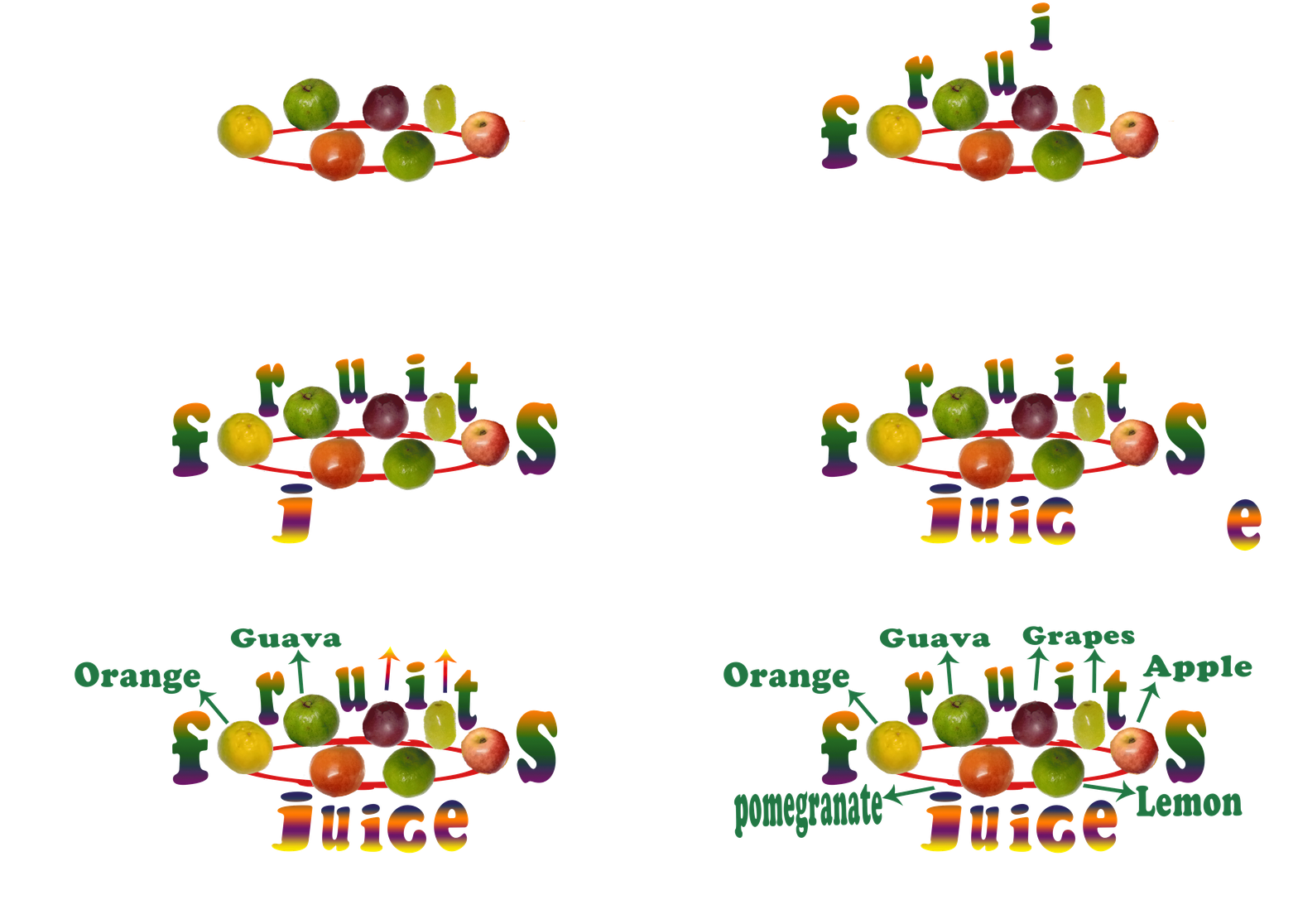
6 types of fruits:

Apple / ఆపిల్

Orange / కమలా / నారింజ పండు

Guava / జామ

Grapes / ద్రాక్ష

Lemon / నిమ్మకాయ

Pomegranate / దానిమ్మ పండు
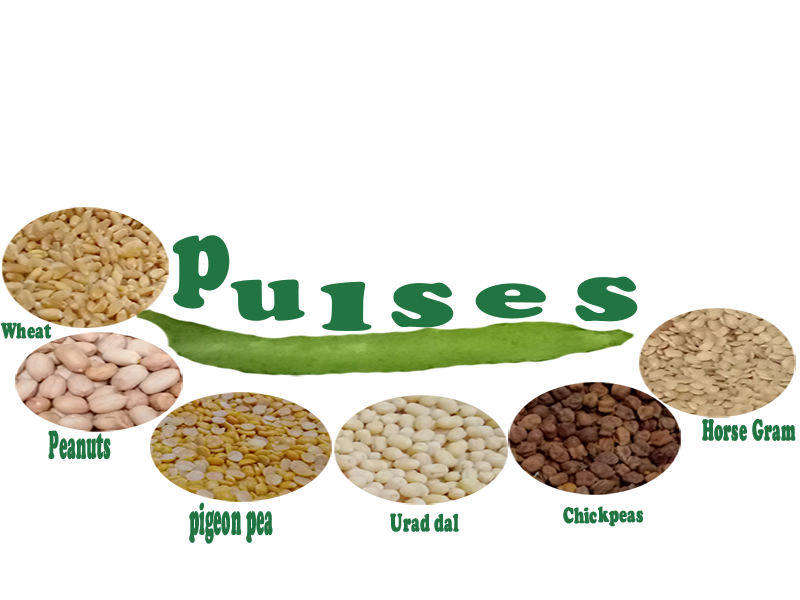
6 types of Pulses:

Wheat / గోధుమలు

Peanuts / వేరుశెనగలు

Red gram or Pigeon pea / కందిపప్పు

Polished black gram or Urad dal / మినపప్పు

Chickpeas / శనగలు

Horse Gram / ఉలవలు

Recipes:

Wheat / గోధుమలు: Sweets, Samosa, chapathi, puri etc.,

Red gram dal or Pigeon pea dal / కందిపప్పు: It is used in making sambar and pickle etc.,

Refined black gram dal or Urad dal / మినపప్పు: It is used in making Idly and dosa, vada / మినప గారెలు , Papad / అప్పడం etc.,

Peanuts / వేరుశెనగలు: chutney and also it is used as oil etc.,
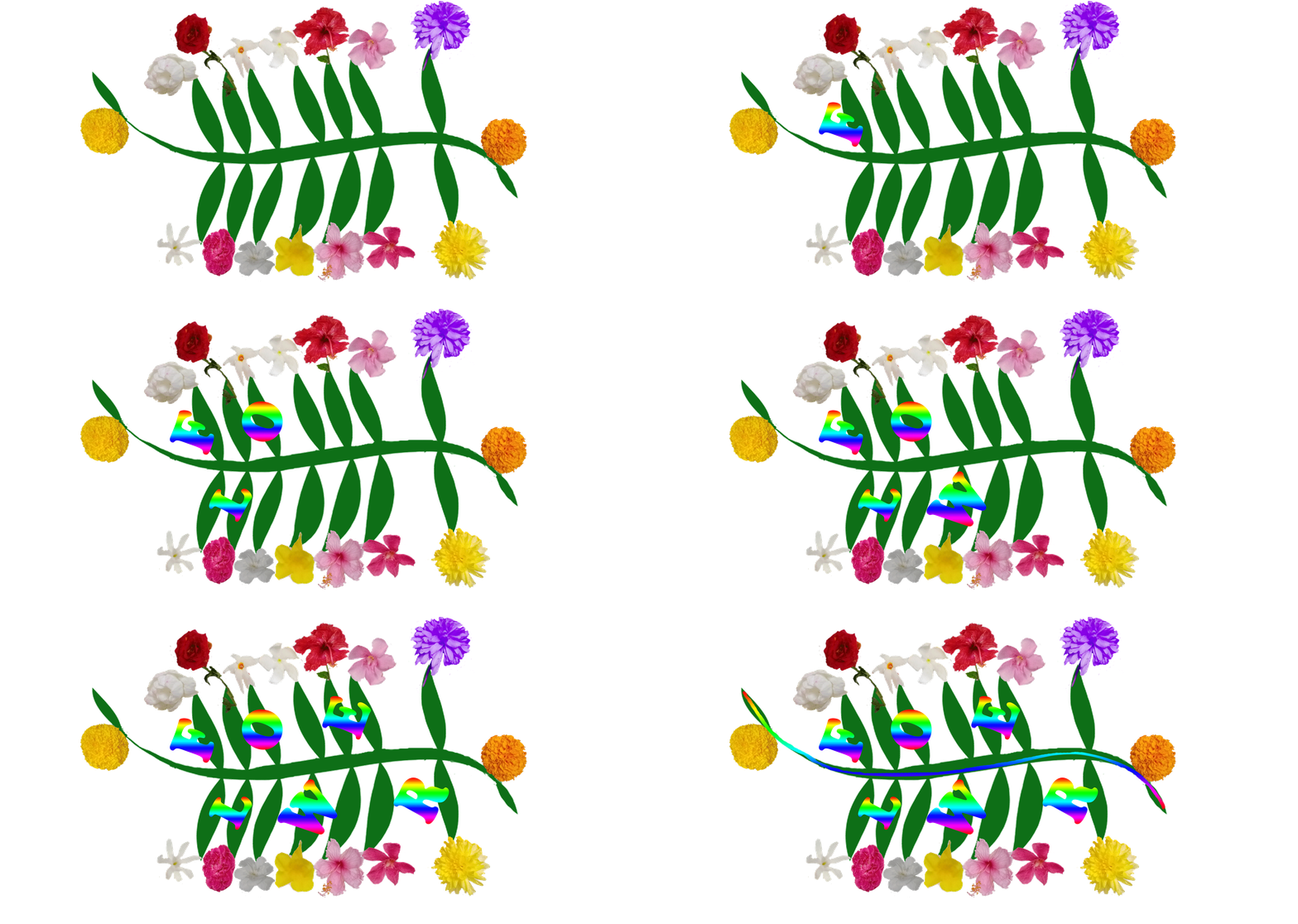
10 types of flowers:

Marigold / బంతి

Jasmine flower / మల్లి

Star jasmine / సన్న జాజి మల్లి

Rose / గులాబీ

Parijatam / పారిజాతం

pinwheel flower or crape jasmine / నందివర్ధనము

Tecoma Stans / Yellow flowers / పసుపు రంగు పుష్పాలు

Hibiscus / మందార

Oleander / గన్నేరు

Chrysanthemum / చామంతి
Pros and Cons


Pros


  • Environmental Benefits: Improve air quality, prevent crucial environmental issues.
  • Plants help improve air quality by filtering pollutants and dust.
  • Trees give shade, reducing high temperature and cooling near areas.
  • Green spaces contribute to well-being a healthy lifestyle with Green environments.
  • Trees can help to earth in natural issues and maintain ground stability.
  • Food Sources: Many plants produce fruits, vegetables and herbs that are vital for human nutrition.
  • Medicinal Uses: Many plants have medicinal properties.
  

Cons

  • Maintenance: Require care, watering and suitable conditions.
  • Falling branches or leaves can pose hazards during storms or strong winds.
  • Roots of large trees may interfere with utility lines and building foundations.
  • Allergies: Some plants and flowers can trigger allergies.
  • Pests and Diseases: Susceptible to pests which can affect health and crop yields.
  • Certain trees produce seeds or fruits that create litter and require cleanup.
  • Invasive Species:Some plants can become invasive and threaten native ecosystems.
  • In some regions, planting non-native species may lead to ecological imbalance.
  •  

It is not considered medical advice. Before choosing anything always consult with a qualified healthcare professional.

and also If you have more questions, consult experts.

FAQs

Why are trees and plants important for the environment?


Provide shelter for animals, prevent ecological issues and help regulate the climate. Trees and plants are very important for environmental.

How do plants grow?


Growing plants and trees involves planting seeds or young plants in soil, watering them regularly, and giving them enough sunlight.

Can small plants grow into trees?


No, small plants like shrubs or herbs do not typically grow into large trees; they are different types of plants.

What are the precautions of plants and trees?


Provide adequate water, sunlight, suitable soil and protection from pests and diseases.

Are all plants safe to touch or eat?

No, some plants are toxic; it is important always to make sure safety before touching or consuming any substances.

What are the names of two leafy vegetables?

Lettuce and cabbage.

What are the most commonly three names of spices for flavor or add to dishes?

Garlic, ginger, green chilli.

Essential details:

  • Water, soil and sunlight also is crucial for growing tree and plants in many places.

  • The trees and plants are vital for climate regulation and environmental.

  • Essential for agriculture and food.


  • Conclusion:


    Computer

    Plants and trees are crucial components of offering numerous benefits for the environment. Trees are large and shady trees humans depend on trees and plants for survival, well-being and cultural identity in sustain the environment. Important of help is protect nature better. Trees and plants play a vital role in sustain stability and supporting on Earth. They provide food for countless varieties. Protecting and defend them is crucial for a sustainable future.