Domain registration is the process of reserving a domain name for a particular period, You register a domain through a domain registrar, a company accredited to manage domain names by ICANN (Internet Corporation for Assigned Names and Numbers), the organization that oversees the DNS.
Here's the domain registration steps:
1. Choose a Reputable Registrar: Research and select a reputable domain registrar.
2. Search for Availability: Use the registrar's search tool to check if your desired domain name is available. If it's taken, the registrar will suggest alternative names or TLDs.
3. Select Your Domain Name and TLD: If your desired domain name is available, select it and choose the appropriate TLD.
4. Choose Your Registration Period: Select the length of time you want to register the domain for. Longer registration periods often come with discounts.
5. Review and Pay: Review your order and proceed to payment and other payment methods.
6. Verify Your Email: After registering, you'll receive a verification email from the registrar. You will need to verify your email address to activate for your domain registration.
7. Configure DNS Settings: Once registered, you need to configure your domain's DNS settings to point it to your web hosting server. Your hosting provider will provide you with the DNS records you need to enter into your domain registrar's control panel.
What does domain registration do?
It involves reserving that name within the domain registry and it with your contact information. This process prevents others from registering the same domain and allows you to establish your online presence by linking the domain to your website and email services.
What are the difference between domain registration and hosting?
Domain registration is the process of acquiring a specific domain name such as example: "domain.com" by paying a fee to a domain registrar, which grants the registrant the rights to use that domain for a specified period. Hosting, on the other hand, refers to renting server space where the website's files, databases, and content are stored so that they can be accessed over the internet. While domain registration gives your website an address, hosting provides the actual location where your website's data resides, enabling visitors to access your site using the registered domain name.
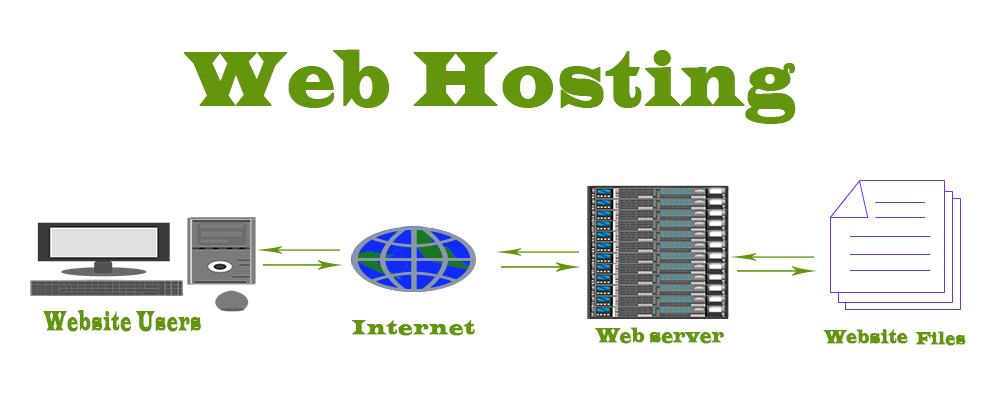
Web hosting is service that lets you store your website's files on a server so that people can access your website it through the internet.
What's a domain name server?
A domain name server (DNS server) is a specialized server that translates human-readable domain names into IP addresses, allowing browsers and other internet services to locate and connect to websites. When you enter a domain name into your browser, the DNS system queries the relevant DNS servers to find the corresponding IP address, directing your request to the correct web server hosting the website. DNS servers are an essential part of the internet's infrastructure, ensuring seamless access to websites.
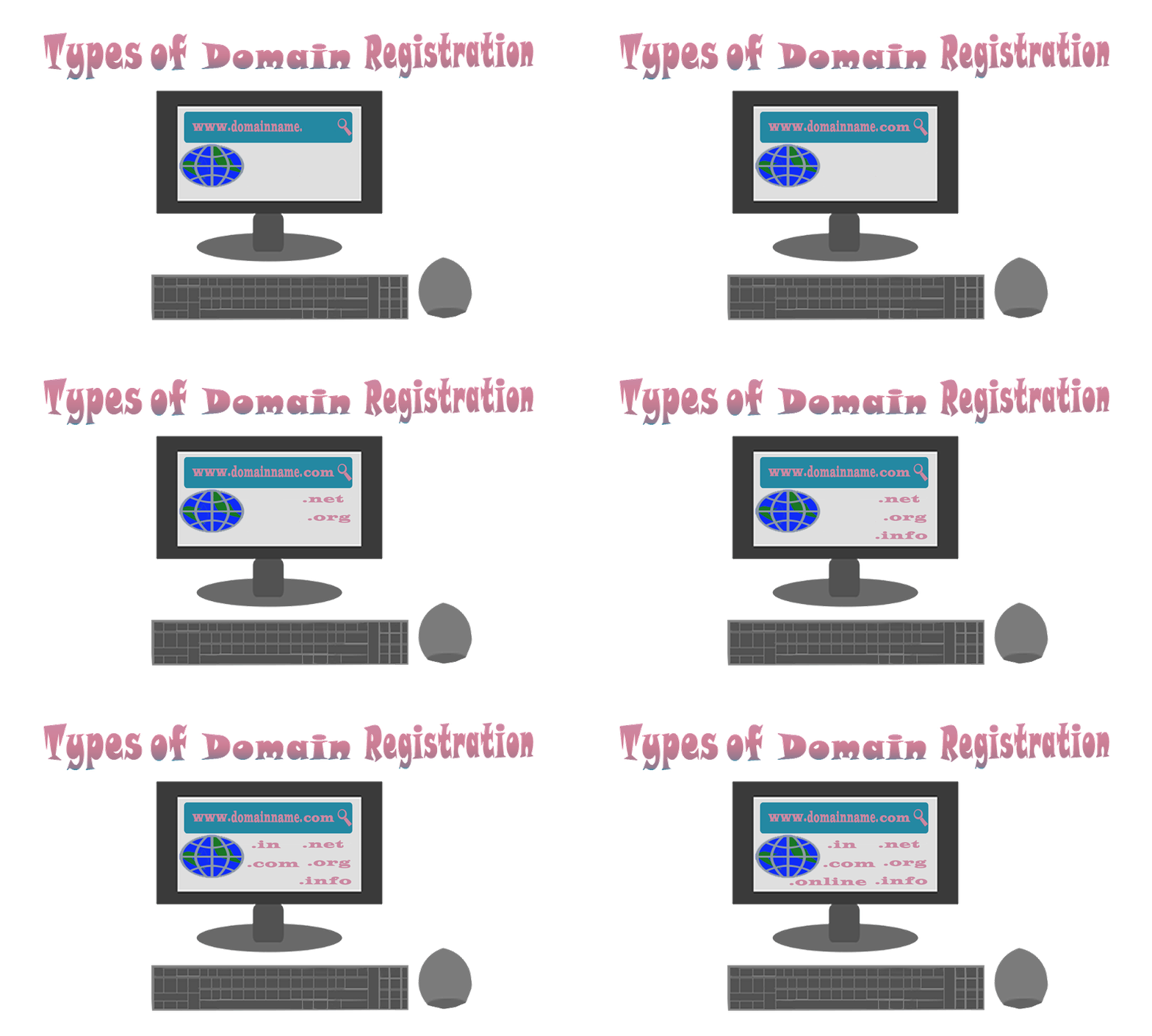
What are the types of Domain Registration?
There are several types of domain registration:
Top-Level Domains (TLDs): TLDs are managed by the Internet Corporation for Assigned Names and Numbers (ICANN) and are used to identify the type of organization or community associated with the domain.
Country-Code Top-Level Domains (ccTLDs): These are TLDs that are specific to a particular country or geographic region, such as .us (United States), .uk (United Kingdom), or .ca (Canada). ccTLDs are managed by the country's respective internet governing body.
There are several types of TLDs: |
| Generic Top-Level Domains (gTLDs): |
Open registration typically available to the general public, except for some restricted gTLDs. Used for branding, marketing, and categorization purposes. |
| Country Code Top-Level Domains (ccTLDs): |
These are specific to countries, like .uk (United Kingdom), .ca (Canada), .de (Germany), etc. |
| Sponsored Top-Level Domains (sTLDs): |
These are sponsored by specific organizations or communities, like .gov (United States government), .edu (educational institutions), etc. Choosing the right TLD depends on your goals. If you are operating in a specific country, a ccTLD might be beneficial. |
If you have more questions, consult experts.
Pros and Cons
Pros
- Establishes Your Online Presence: Secures a unique web address that represents your brand, business, or personal project.
- Brand Credibility & Trust: A professional domain enhances credibility with visitors and customers.
- Ownership & Control: You have full control over your domain name, allowing for customization and management.
- Email Customization: Enables professional email addresses (e.g., user@yourdomain.com).
- SEO Benefits: A relevant domain can improve search engine rankings and visibility.
- Business Flexibility: You can redirect, transfer, or renew your domain as needed.
Cons
- Cost: Domains require ongoing renewal fees, which can add up over time.
- Technical Responsibility: Managing DNS settings, renewals, and security can be complex for beginners.
- Risk of Expiration: If not renewed, your domain can be lost.
- Potential for Disputes: Cross check for any Trademark Issues.
- Limited Lifespan: Domains are registered for specific periods; continuous renewal is necessary.
- Additional Costs: Privacy protection, transfer fees, and premium domains can incur extra charges.
Frequently Asked Questions (FAQs):
How do I register a domain?
You can register a domain through a domain registrar companies authorized to sell and manage domain names.
How much does a domain registration cost?
They may be frequently support a wide range of technologies, such as:
Prices vary depending on the domain extension (.com, .net, .org, etc.) and registrar, typically ranging per year.
Do I need to check list any before register a Domain?
Yes, here's a quick checklist before you register a Domain:
Check domain Availability
Make sure for any trademark problems
Decide on the domain extension
Choose a reputed domain registrar
Setup the DNS configuration
Can I buy a choosing domain?
You select a unique and memorable name that reflects your brand, business, or personal identity (e.g., domainname.com).
What is domain privacy protection?
A service that hides your personal contact information from the public WHOIS database to prevent spam or identity theft.
Can I transfer my domain to another registrar?
Yes, domain transfers are possible and often straightforward, but specific procedures and restrictions may apply.
How to choose the right domain name?
Your domain name should reflect your brand identity. choosing the right domain and adhering to best practices, you can build a robust foundation for your online success. Making a domain name involves choosing a memorable and relevant name, then registering it through a domain registrar.
Essential details:
Domain registration is essential for several reasons:
Checking Availability: Using domain registration platforms or registrars, you verify, if your chosen domain is available.
Registration: Domains are bought from domain registrars and linked to hosting servers.
Search for Your Desired Domain: Use the registrar’s search tool to ensure the domain is available.
Monitor Domain Usage: Regularly check your domain’s status and ensure it aligns with your ongoing branding and
marketing strategies.
Transfer Policies: Understand the procedures if you wish to transfer your domain to another registrar.
Plan for Renewal: Set up automatic renewals to prevent accidental expiration which could lead to domain loss.
Customer Support: Choose a registrar with responsive and accessible customer support to assist you when needed.

Conclusion:
Domain registration is a critical step in establishing and maintaining a professional online presence. It provides control, security, and credibility, empowering your brand to thrive in the digital space. By understanding the registration process, choosing the right domain, and adhering to best practices, you can build a robust foundation for your online success. Whether you are launching a new startup, expanding an existing business, or creating a personal portfolio, securing the right domain is an investment that pays dividends in visibility, trust, and brand recognition.